2 Dead Batteries in 4 days

Both bikes have always had their charging systems working fine. 13.5 ish volts reading when running, on both the on board digital Volt meter and or a multi meter.
The volt meters are on a switched circuit and read 12.8V ish when turning on the ignition. Happy to see that each time. The bikes are always kept on a battery tender in the shed, they are not my daily ride. Always fully charged. It seems there will be dud batteries out there and nothing will stop a dud battery from dropping a cell if it wants to. Looks like when it happens you are stranded. Only another battery or roadside assist or wife with van can get you home again.
The only reason for the onboard Volt Meters is to is to monitor the general condition of the charging/battery system in real time. Just a glance every now and then is reassuring to me. as is the volts reading when turning on the ignition. I will be using the replacement batteries and hoping for the best. No point in changing battery brands and still hoping for the best.
 
Last edited:
I had the same situation of two failed expensive Yuasa brand batteries.
The reason was, after sitting in the overseas shipping container, and then sitting in the shop without being regularly charged, they had a deep discharge, and that can cause damage to AGM and lead acid batteries. They should be stored with charge. The retailers don't always keep them charged while on the shelf.
A battery shop is usually a better option than a MC dealer because they should know to keep the charge and also, they move product more quickly.
I've never bought a Yuasa after that and never a battery from a MC dealer. Since then I have had no problems using less expensive SSB brand batteries from battery shops.
 
Last edited:
... The bikes are always kept on a battery tender in the shed, they are not my daily ride. Always fully charged. ...
Years ago, I read a few people discussing the merits (or not) of leaving batteries for long periods juiced up by a battery tender.
The majority opinion and experience of some suggested it can result in battery failure. I do not recall when or where, but at the time I took note and have since refrained from the practice. i.e. they convinced me anyhow. I regularly charge the batteries but always manually connect and disconnect.
Any others have any experience of this?
 
I recently bought a new battery for the 250 Kwaka - the tiny SSB lead acid finally died after being left unused for months on end for about four years. Was so impressed I bought another the same and they come new with a container of acid so you don't begin its life until you're ready and then it's a piss easy job to fill the cells. I'm holding off because I just never ride it.
 
Years ago, I read a few people discussing the merits (or not) of leaving batteries for long periods juiced up by a battery tender.
The majority opinion and experience of some suggested it can result in battery failure. I do not recall when or where, but at the time I took note and have since refrained from the practice. i.e. they convinced me anyhow. I regularly charge the batteries but always manually connect and disconnect.
Any others have any experience of this?
That depends on the quality of your charger. Trickle chargers that continously charge/discharge the battery have made my batteries last forever even if laid up for several years.
 
Years ago, I read a few people discussing the merits (or not) of leaving batteries for long periods juiced up by a battery tender.
The majority opinion and experience of some suggested it can result in battery failure....
That's the problem with democracy. A lot of the voters haven't got a clue what they're voting for. The optimal way to treat a glass matt battery is to keep it on a good quality smart battery tender. We have lots of bikes connected to Oxford battery tenders, including one which has, to my knowledge, an Odyssey PC680 which is over 15 years old and still happily cranks an 1100cc engine from (very) cold. (Famous last words, it'll probably fail tomorrow now). Problems occur when the connections between the battery tender and the battery are poor or damaged, which results in the smart charger becoming confused and applying the wrong voltages to the battery over long periods, which might explain premature failures. I suppose you could fit a voltmeter to the motorcycle to monitor the float voltages ;-)
 
we have had three Oxford batterry chargers here, all of them them the hook up and forget variety, all three have caused boiled batterries and hence failure, plus a bit of acid damage as well, all now in the trash, I dont bother to leave batteries on a monitoring system, I just charge up loose ones occasionally (two are siting here waiting for me to buy a new caravan) and the same for diggers, tractors and infrequently used vehicles like truck, 4x4 and parked bikes, the system works well for me.
CLEM
 
connecting a capacitor across battery terminals works (ask any Norton owner) and the battery is not needed .. just about any bike will continue to run
from memory it's about 30 MFD (that's micro farads) and I use 2 in parallel to store more .. so any combination of cans will work
 
Old “trickle” chargers will overcharge and boil batteries if left on, so it’s good to just keep the battery topped up occasionally. The new style “smart” chargers are heaps better and will do this by themselves automatically. The good ones do this very well, some not so well…
And as said by Matt above, and as with anything electrical, good electrical connections are paramount!
 
Years ago, I read a few people discussing the merits (or not) of leaving batteries for long periods juiced up by a battery tender.
The majority opinion and experience of some suggested it can result in battery failure. I do not recall when or where, but at the time I took note and have since refrained from the practice. i.e. they convinced me anyhow. I regularly charge the batteries but always manually connect and disconnect.
Any others have any experience of this?
I do the same, generally check it with a multi meter then put it on charge if needed.
Heard to many stories of battery tenders causing a fire when left unattended.
I've had a good run with Yuasa agm. Not so good with SSB agm.
 
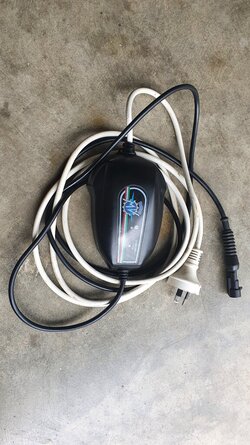
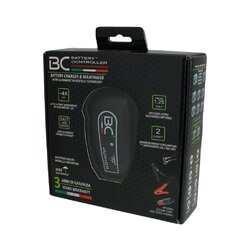
This is the battery charger / maintainer I am using, it came with my new MV Agusta and is quite a smart little thing.
I have 1 for each bike.


It is a BC Junior 900 and it can be left connected to a battery 24/7 365/year with no fear of damage to a battery.

Their specification not mine!!! I have no reason or any technical knowledge of batteries to dis-believe this claim.

I'm guessing they know what they are talking about, and that these chargers had nothing to do with the 2 batteries dropping a cell.
 

Attachments

  • 20211111_090906.jpg
    20211111_090906.jpg
    165.3 KB · Views: 7
  • BC-JUNIOR-900_1024x1024.jpg
    BC-JUNIOR-900_1024x1024.jpg
    81.8 KB · Views: 6
From my experience a 12v Generator never put's out more then 12.8 Volts whereas an Alternator can easily put out more then 14v's.
 
Yes you can use a 13v Generator but it's a pain - I suggest you only use a lead acid battery.

Might last you 3 years or more if you take care.

On the other hand use an 14v Alternator with an an AGM Battery ?
 
This is the battery charger / maintainer I am using, it came with my new MV Agusta and is quite a smart little thing.
I have 1 for each bike.


It is a BC Junior 900 and it can be left connected to a battery 24/7 365/year with no fear of damage to a battery.

Their specification not mine!!! I have no reason or any technical knowledge of batteries to dis-believe this claim.

I'm guessing they know what they are talking about, and that these chargers had nothing to do with the 2 batteries dropping a cell.
I think many of the earlier reported issues with battery tenders related to Odyssey batteries which required quite specific inputs and some just didn't do the job. (I do not know if that is still an issue and I have never used a battery tender) Obviously there may have been other circumstances in above cases..........
No reason why a modern battery tender can't do a good job maintaining charge the same as a smart charger can.
(I do however know of an instance when an electrical storm caused a problem with a smart charger, the effect after lightening strike, power surge (or ??) was, it didn't revert to float when fully charged and kept pumping in full amps. It completely destroyed a battery from overcharging so I never like the 24/7 365 days thing:( but theoretically true)
I doubt your batteries require anything specific for a float charge and as you are using 2 different tenders it seems highly unlikely that is a problem.
Would be interesting to get the results from any investigation by supplier in regards the fault.
If it was an internal short (behaviour sounds like) then most likely points to 2 batteries from a dud batch (manufacture issue) as you say and just simply dead unlucky.............
 
Can anyone see any issues with this Lithium battery Not starting and Running either the Jota with an Alternator or the SF2 with a Generator.
If it were to be installed as a temporary roadside measure to ride the bike back to civilization, if the main battery failed in the middle of nowhere?

 
I have some reservations that it is lithium and small, so not well matched to either charging system. But probably fine for a “get you home” solution.
But my other thought is that it’s another thing to carry, and it will wear out with age, so might be buggered by the time you actually need it, if you ever need it at all. And of course there’s plenty of other reasons for a breakdown 😉
 
If it's got charge it should start either bike (but mine SSB LifePo is 550CCA so more than double that one). They retain their voltage unattended for ages. Question is how long you can drain juice out of it if you have zero coming from the Alt/gen. Which is why they call them 'starting batteries'. You'd have to think it would at least allow sufficient volts to either start on the button or with a push, and then get you either home or to the nearest safe house (ie off the road to nowhere and into a town).
 
Andy, yep would be only a get you safe or get you home situation, carried mostly on trips where isolation was an issue. They are so small and weigh bugger all with a 20 Ah storage, and as P2B says they stay charged for ages. Even without alt/gen charging you could cover a fair distance I would have thought just by powering up the ignition module and coil. Not sure how many amps it draws though. It's just an idea at the moment.
 
Can anyone see any issues with this Lithium battery Not starting and Running either the Jota with an Alternator or the SF2 with a Generator.
If it were to be installed as a temporary roadside measure to ride the bike back to civilization, if the main battery failed in the middle of nowhere?

Are battery failures on the move that common that a spare battery is needed?
I've had two in 40 years.
And one big end.

Paul
 
Back
Top