I have done dozens of tanks. For rust, by far, the best solution I have used is citric acid and either washing soda (sodium carbonate) or bicarbonate of soda - baking soda at a Ph level of 4. I have done every other method - vinegar, muriatic/phosphoric acid, electrolysis. They may be faster, or cheaper $$$, but not better. The citric acid and soda mix will chew rust for breakfast and not give off noxious gas or create problems with paint or skin - within reason.
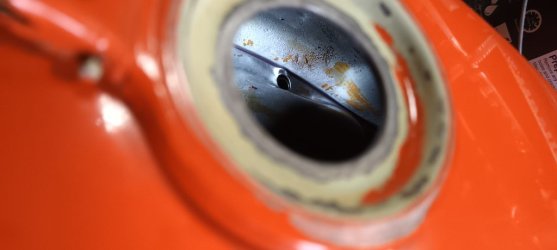
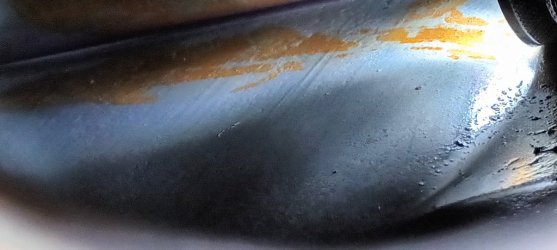
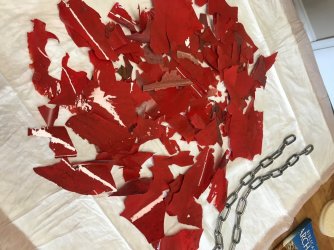
For me, any liner is a last resort. I had to use liner -Caswell - on my Norton tank, due to pinholes. It's holding after a couple of years, but I'm leery it will outlast me. I just did my 3C tank. It was horrible inside, but I realized it was mainly old fuel - crusty carbon looking like rust. Berryman's B12 chemtool and gasoline mix got it clean, but not perfect. So after the Berrymans, I used some citric acid/soda in it, with a non-agressive (rounded edges) chain shaken around inside to get things agitated. The inside is perfect now. It appears that the tank is galvanized inside, I'm not sure how that can be, but that's what it looks like. Absolutely spotless after cleaning, and it was nasty at the start of my job.
After the acid wash, I flush with my garden hose, then fill the tank with hot water and a lot of baking soda or sodium carbonate to neutralize And shake, baby, shake. Next I drain and put a clean microfiber rag in the filler cap, and shake (more) to absorb water. Then I pour a pint of isopropyl alcohol in the tank to really absorb the water, heat it with a hair dryer, drain and do the same microfiber rag in the filler cap & shake thing. Then more drying with the hair dryer. Finally, I either spray fogging oil inside or dump a pint of ATF inside and swish it around. Only then am I satisfied that it is 100% clean and ready for fuel.