
You are using an out of date browser. It may not display this or other websites correctly.
You should upgrade or use an alternative browser.
You should upgrade or use an alternative browser.
Weather where you are?
- Thread starter helicopterjim
- Start date

Diablo Loco
Senior member
- Location
- Western Australia
Black satin half slip under the leathers. /nokink.Just quietly. While no one else is listening…
What do you do to stop heat-rash on your backside..?
I’ve been trying merino longjohns, which are better than wearing nothing but leather, but is there anything else to try?
On a more important note... The beer. Speights? I tried to google "Speights is great". Been a long time but I recall south island it was like a religion.

Andy
Hero member
- Location
- Auckland, roughly
Haha had to look again. An old Macs glass so you’re half right. Macs is a brand of Lion, along with Speights and half the breweries in NZ and AU. Some blokes still get a bit twitchy about their favourite brands but to me it all tastes like it came out of the same vat.Black satin half slip under the leathers. /nokink.
On a more important note... The beer. Speights? I tried to google "Speights is great". Been a long time but I recall south island it was like a religion.
It’s a good glass for IPA though


chrisk
Hero member
- Location
- Brisbane, Australia
I don’t mind Speights. Woofed down a few when in NZ. There are side affects though..... I started calling people Bro, my i’s became u and and a group of people I started calling jokers

Laverda1000.de
Hero member
- Location
- Haßberge, Germany
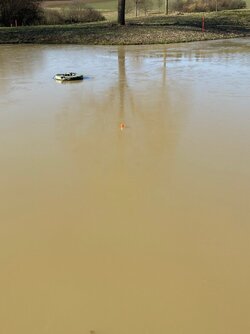
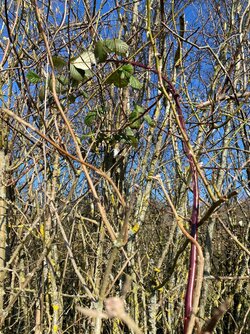
I am so sick of winter. At least the sun was out, but slippery roads where the sun hadn't gotten. Hence no Laverda, went to the golf course instead. Just as rusty with the clubs as with the bike.
chrisk
Hero member
- Location
- Brisbane, Australia
This could be a sign. It’s recorded that Jesus walked on water and wore a crown of thorns, seems you need to be able to do both, just to retrieve your wayward golf balls.I am so sick of winter. At least the sun was out, but slippery roads where the sun hadn't gotten. Hence no Laverda, went to the golf course instead. Just as rusty with the clubs as with the bike.
View attachment 62084
View attachment 62082

Perry
Hero member
- Location
- West Dorset UK
Better to part the waves than walk on them. Join the RSP golf society. (Red Sea Pedestrians).


Dellortoman
Hero member
- Location
- Tasmania, Australia
Bugger! This appeared on the local internet news about an hour ago:
Police and emergency services are responding to reports a bushfire-fighting helicopter has crashed in northern Tasmania.
"Initial reports suggest a helicopter has crashed in a paddock while responding to a bushfire near Lebrina," Tasmania Police said in a statement on Monday afternoon.
"Details of injuries are not able to be confirmed at this stage."
Emergency services representatives are expected to hold a press conference later on Monday.
Dellortoman
Hero member
- Location
- Tasmania, Australia
Crash confirmed. Pilot killed.
Our bushfire seasons seem to be getting worse each year. Fires are distressing enough without this happening. Very sad.
Our bushfire seasons seem to be getting worse each year. Fires are distressing enough without this happening. Very sad.

Legs
Hero member
- Location
- Adelaide Hills
We lost one of our own a week or so ago.
RIP Louise Hinks.
RIP Louise Hinks.
chrisk
Hero member
- Location
- Brisbane, Australia
Heard that on the radio news, wondered if you knew her.We lost one of our own a week or so ago.
RIP Louise Hinks.
Legs
Hero member
- Location
- Adelaide Hills
Knew her husband Lindsay but I reckon I saw her down at the Black Saturday fires in Victoria or possibly the NSW fires in 2013.
Laverda1000.de
Hero member
- Location
- Haßberge, Germany
What were his lap times?This could be a sign. It’s recorded that Jesus walked on water and wore a crown of thorns, seems you need to be able to do both, just to retrieve your wayward golf balls.

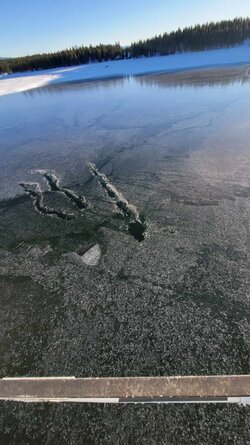
Not to add a 'downer' but I'm back in the mountains of California. Took a drive on Saturday (my normal ride circuit) and was pleased to see a number of bikes out ... a lovely day. Woke to snow this AM and sitting at -4. Spring not here yet.
While you guys are peak summer and have fires, we have ice and snow.
Last week a few friends were skating, some fell through and one died (body recovered).
That's my weather update.
While you guys are peak summer and have fires, we have ice and snow.
Last week a few friends were skating, some fell through and one died (body recovered).
That's my weather update.
Attachments

piranha-bro2
Hero member
- Location
- Melbourne
That's really horrible to hear that a fun day out on skates ended in a death. Very dangerous pastime skating on lakes I imagine - in Norway I was told they measure carefully before starting to use the frozen lakes. They are also able to revive people who have fallen through the ice after a seemingly impossible length of time. Apparently the very low temp shuts down the metabolism to the point where the air in the lungs is sufficient to sustain the person until rescue arrives. Pretty amazing.Not to add a 'downer' but I'm back in the mountains of California. Took a drive on Saturday (my normal ride circuit) and was pleased to see a number of bikes out ... a lovely day. Woke to snow this AM and sitting at -4. Spring not here yet.
While you guys are peak summer and have fires, we have ice and snow.
Last week a few friends were skating, some fell through and one died (body recovered).
That's my weather update.
Dellortoman
Hero member
- Location
- Tasmania, Australia
I was one of a group of 4 out cross-country skiing when one of the guys fell through a dodgy patch of sea ice. It was obviously unsafe for anyone else to go and pull him out because he'd clearly demonstrated that the ice wouldn't support one person, let alone two. So he tried to self rescue, but he had to get his skis off first and put them on the ice. Once he'd done that, he still couldn't get out of the water because the edge of the ice would just break away whenever he tried to pull himself up, and he couldn't get a grip on the more solid bits that were within reach because it was too slippery. He also found it was very difficult to swim his way out with ski boots on. He was rapidly losing energy in the sub-zero water and after only a minute or so was in real trouble, so the rest of us had to mount a rescue.
With the ice so weak, the rescuer had to slither out on his belly over skis that were laid crosswise (like railway sleepers) to spread the load. The last couple of skis being the victim's own at the edge of the hole. The rescuer grabbed the victim under the armpits and lifted him while the other two of us pulled on the rescuer's feet to drag them both back across the ice. By the time we got him out he was looking very pale and was shivering so much he could barely speak.
The air temperature was about -10 C so we had to get his wet gear off him before it froze solid, then somehow get him warm. It was the middle of nowhere in Antarctica. No trees or anything with which to light a fire, so the only option was to use body heat. One of the rescuers stripped off as well, and we wrapped the two of them together in all the warm dry clothing we had between us (we were on a day trip so didn't have sleeping bags - lesson to be learned there). After about half an hour he'd begun to recover enough that we could get him in dry clothes, on his feet and skiing again to produce his own body heat. It was a narrow escape. We could easily have lost him.
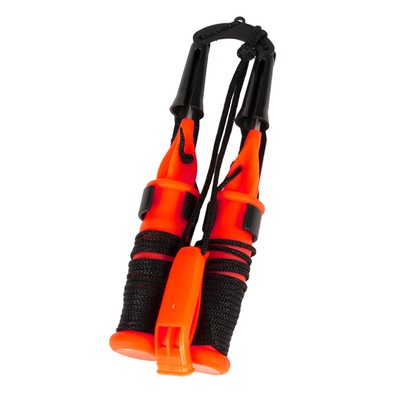
Later when we were having a de-brief back at the base. There was a Danish scientist there who had done a lot of travelling on ice in the arctic. He said that whenever he had to move around on frozen river, lake or sea ice, he always carried two screwdrivers sharpened to a point in the top pocket of his jacket. They had holes drilled through the handles to tie a lanyard through, that was looped around his neck. That way he could easily locate and grab them if he fell through the ice. The idea was that he'd use one in each hand as an ice pick to drag himself out of the hole hand over hand.
All that happened about 30 years ago. You can now buy hand held safety spikes for exactly that purpose. If you like to skate on frozen lakes, always carry a pair around your neck.
With the ice so weak, the rescuer had to slither out on his belly over skis that were laid crosswise (like railway sleepers) to spread the load. The last couple of skis being the victim's own at the edge of the hole. The rescuer grabbed the victim under the armpits and lifted him while the other two of us pulled on the rescuer's feet to drag them both back across the ice. By the time we got him out he was looking very pale and was shivering so much he could barely speak.
The air temperature was about -10 C so we had to get his wet gear off him before it froze solid, then somehow get him warm. It was the middle of nowhere in Antarctica. No trees or anything with which to light a fire, so the only option was to use body heat. One of the rescuers stripped off as well, and we wrapped the two of them together in all the warm dry clothing we had between us (we were on a day trip so didn't have sleeping bags - lesson to be learned there). After about half an hour he'd begun to recover enough that we could get him in dry clothes, on his feet and skiing again to produce his own body heat. It was a narrow escape. We could easily have lost him.
Later when we were having a de-brief back at the base. There was a Danish scientist there who had done a lot of travelling on ice in the arctic. He said that whenever he had to move around on frozen river, lake or sea ice, he always carried two screwdrivers sharpened to a point in the top pocket of his jacket. They had holes drilled through the handles to tie a lanyard through, that was looped around his neck. That way he could easily locate and grab them if he fell through the ice. The idea was that he'd use one in each hand as an ice pick to drag himself out of the hole hand over hand.
All that happened about 30 years ago. You can now buy hand held safety spikes for exactly that purpose. If you like to skate on frozen lakes, always carry a pair around your neck.
Ice Safety Picks Life Saving Handheld Escape Spikes Easy-Grip Molded Handles | eBay
Find many great new & used options and get the best deals for Ice Safety Picks Life Saving Handheld Escape Spikes Easy-Grip Molded Handles at the best online prices at eBay! Free shipping for many products!
www.ebay.com

78jotadave
Hero member
Hi Q, in the Cardiac ICU we implement hypothermia protocols on patients that have experienced a full-blown cardiac arrest without regaining consciousness. It is used to slow metabolism in the hope of preserving brain function, if and when the patient ever wakes up. We drop the body temp down to 32-34C it is very intense work juggling multiple IV drips and cooling fluids.That's really horrible to hear that a fun day out on skates ended in a death. Very dangerous pastime skating on lakes I imagine - in Norway I was told they measure carefully before starting to use the frozen lakes. They are also able to revive people who have fallen through the ice after a seemingly impossible length of time. Apparently the very low temp shuts down the metabolism to the point where the air in the lungs is sufficient to sustain the person until rescue arrives. Pretty amazing.
In patients who have been immersed in cold waters, there is very little chance of a successful recovery/resuscitation if body core temperature has fallen to <30C, if resuscitation is successful brain injury is more than likely.
Dellortoman
Hero member
- Location
- Tasmania, Australia
Before going to Antarctica, everyone went through training on the various ways cold injury can happen. The training doctor was a bloke called Peter Gormley (who has since died). He gave very entertaining lectures and showed a series of films on the different ways you could die in Antarctica. He kept drumming into our thick heads that if we came across a person with hypothermia who appeared to be dead, then we mustn't assume that they are dead. People can survive for quite a while with no pulse or respiration when they're cold. Even if they have frozen extremities, there's still a possibility that they could be revived, albeit with some local frostbite injury.
I remember his diagnostic technique to determine if a patient is dead.
1. Check to see if their eyeballs are frozen. If they are, then their brain is frozen. In which case don't bother warming them up.
2. If their eyeballs are not frozen, warm them up. If they don't recover, then they're dead.
I remember his diagnostic technique to determine if a patient is dead.
1. Check to see if their eyeballs are frozen. If they are, then their brain is frozen. In which case don't bother warming them up.
2. If their eyeballs are not frozen, warm them up. If they don't recover, then they're dead.
piranha-bro2
Hero member
- Location
- Melbourne
Wow! Some great info and amazing tales in those last threads, Dave and Cam. I'd be ratshit at warding off hypothermia - there's not enough of me! When I get cold to the core, which can happen quite easily, I shiver uncontrollably for ages and my teeth chatter so much my jaw aches. Last time it happened was cycling in sleet up Mt Hotham with a very high wind chill factor. I wasn't the only one - a mass ride turned bad, with thousands stuck at Dinner Plain waiting for retrieval!