You are using an out of date browser. It may not display this or other websites correctly.
You should upgrade or use an alternative browser.
You should upgrade or use an alternative browser.
Tank repairs
- Thread starter paulincayman
- Start date

No, there's no preference of haemoglobin for CO2. Simply, more CO2, means less oxygen. Oxygen content in the air is 21%, less means trouble.From my FAINT medical knowledge, you take up oxygen and expel CO2, via the lungs and hemoglobin BUT the body's preference is Co2 and if you are around mostly Co2 that body system stops working, NOT GOOD.
You're confusing with CO, carbon monoxyde. Haemoglobin loves the stuff and won't let go of it, forming carboxyhaemoglobin. Leading to less haemoglobin for oxygen.
People with carbon monoxyde poisoning are put into high pressure oxygen chambers which increase blood diluted oxygen content and dislodge the CO molecules from the haemoglobin.
Paul
paulincayman
Hero member
- Location
- Cayman Islands
Typically breathe 21% in and 17% out....Yep, it's monoxide. My mistake. That love is deadly.
I gave myself monoxide poisoning once.. Didn't take much mucking about with different silencers in a shed with door open and fan blowing . I didn't notice until I walked the dogs half and hour later . I felt like I was made of lead as my girlfriend disappeared over the horizon . It took a couple of hours c to recover . Stupid and very lucky.
paulincayman
Hero member
- Location
- Cayman Islands
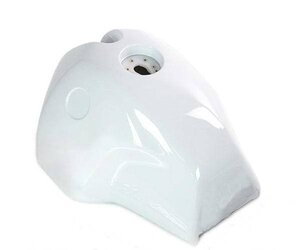
The particular tank Im working on won't explode. I bought it online minus any fittings , it came in the post , sat on another shelf for nearly two years in a HOT lock up shed ,no cap or taps , has been washed flushed dried sat out side and just for good measure a blow torch on a long stick was wafted over it.
Last time it worked on a " live " tank it was washed flush dried and then had diesel exhaust plumbed into it , that worked.
Last time it worked on a " live " tank it was washed flush dried and then had diesel exhaust plumbed into it , that worked.

As you indicate Clem, kettle tank, i lit a flame over the fuel filler cap, soft flame persists on the tank filler opening.... i blow it out with full breath, my mother was well perplexed why i suddenly had no eyebrows, and bruising on my back, was blown completely backwards by the "woof" or blast more the matter... was 19yo and life had many lessons to deal upon me...grin.one of the best ways to get the tank gas free is to leave it outside, cap removed and invert the tank so the cap is on the bottom, leave it in free air for a month, (petrol is heavier than air) a few good blasts inside it with an air line is good thing prior to testing your process is good. a quicker way is to use a hair dryer (not a heat paint strip gun) and blow warm air into the tank until its so hot that you cant handle it with bare hands, put gloves on and heat some more, that works, I have done a similar process in a race paddock a couple of times, using the exhaust pipe from a car (we chose a petrol engined one) and with it at a fast idle, the same system worked well. For the DIYer the testing is the hard thing, and needed for your own safety and that of others nearby, I invert the tank outside, and "wave"a soft oxy/acet flame, at full arms length, under the cap, about 3 feet away, and getting progressively closer, all should be good, if the flame reaches the outlet without drama, but be prepared for a "woof" which has happened to me, you dont want to be in its way! this method is of course totally UNOFICIAL and cannot be condonned and should never be used, always get a chemist out to test for explosive gas (which I have had to do many times when cutting/removing welded in situ diesel tanks for commercial heating systems, they earn a months pay in a single day, and your insurance remains valid, no test cert= no insurance, take head.
CLEM

Dellortoman
Hero member
- Location
- Tasmania, Australia
How was the tank?was blown completely backwards by the "woof" or blast more the matter... was 19yo and life had many lessons to deal upon me...grin.

The Sock
Hero member
- Location
- London, England
It was fine, and the increased capacity was useful on long trips,...How was the tank?