Float height has nothing to do with carb orientation on the bike, it is a standard set by the carb manufacturer at which the fueling will be delivered as specified by the engine manufacturer. AfaIk, all Dellorto PHB/PHF/PHM carbs with swivelling floats are specified with the same float heights. Actual fuel levels, on which jet sizes are based, are dependant on float height setting as well as float weight. Deviating from the specified float height setting and float weight will throw all jetting specs straight out the window.
The movement of fuel in the float bowl over rough roads is a given, not much one can do about that. Baffles in the bowl might help to a certain degree, but fuel level will always remain compromised by the vehicles motion. Compared to FI set-ups, carbs are rather hit-or-miss affairs that are usually still quite acceptable. The one single area the carb needs to be as spot on as possible is at WOT under max load. Burning a valve or piston through lean mixture can happen within seconds under adverse conditions. Rich mixture isn't quite that dangerous, just that you'll always be at the rear of the pack chasing the others.
As long as you're not compressing the spring in the valve, you should be OK.
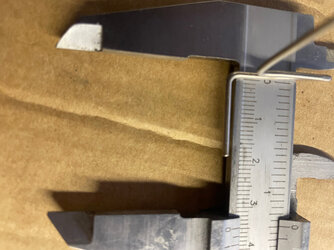
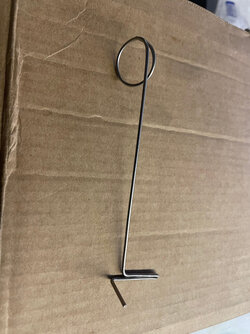
In my experience, you cannot feel when the valve closes until the spring is fully compressed. The valve body is largely obscured from view, judging when it stops moving is just as difficult. Using fuel flow to determine the closing point is a messy and unhealthy exercise and still difficult to get right. As the float only weighs 10 gr., letting it rest against the valve when hanging near vertical is imho the most precise method with the least possibility of the spring being compressed. Peering over the float edges and the scale of a steel ruler set on the gasket face at the same time requires a little practice. Of course, both floats in each carb need to be adjusted to the required height, they cannot be relied upon to be equal.
piet